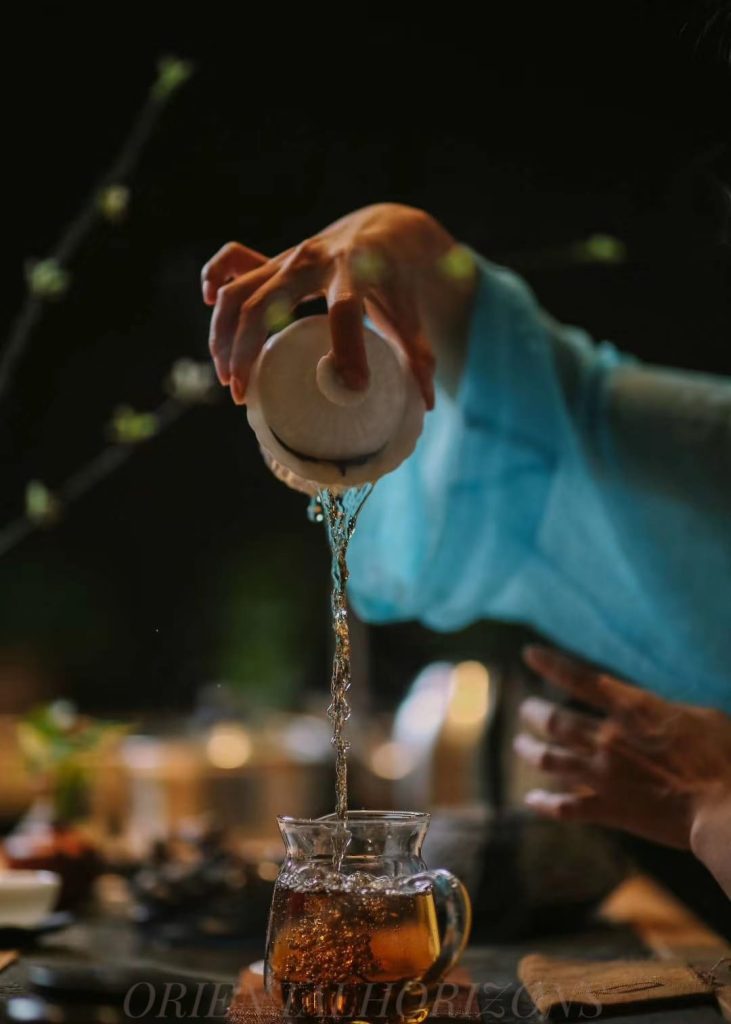
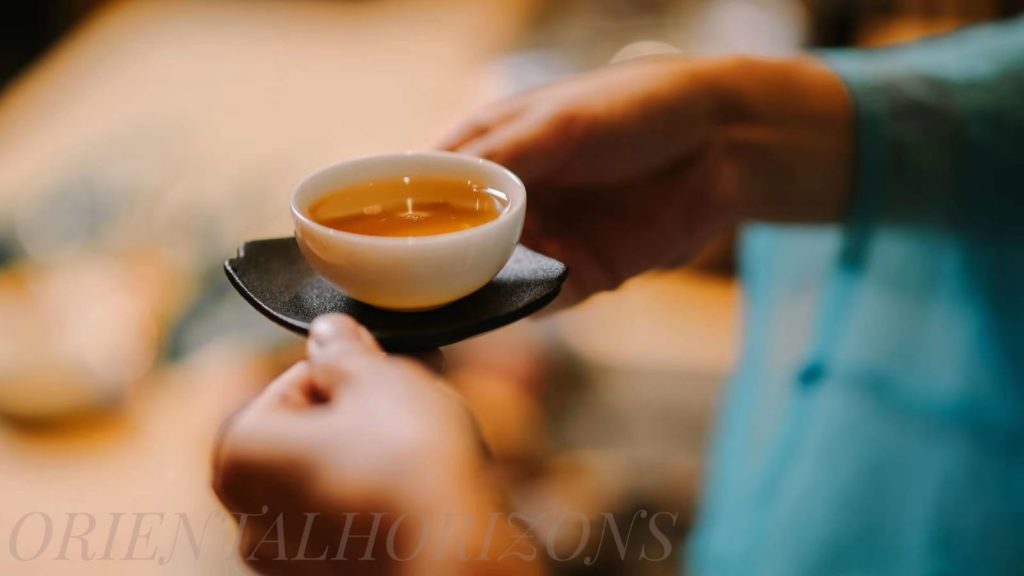
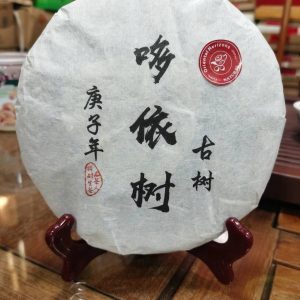
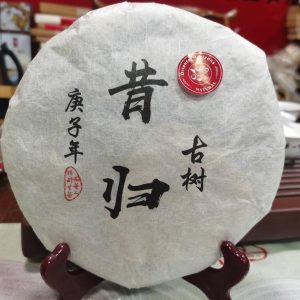
The glass cup is transparent. It truly and completely records the beauty of the famous Pu'er tea. The ups and downs reflect the elegance of the tea dancing in the water. The beauty of tea has absorbed the aura of water, and also the aura of the ecological environment of the tea's origin.
The beauty of tea is also the beauty of making tea.
Tea by Lu Yu of the Tang Dynasty. In the history of Chinese tea culture he sounded the horn. The "Tea bible" records: "Mountains, rivers, and wells underwater." For the requirements for boiling water, the "Tea Classics" records: Good water meets good tea is a kind of luck, and it is even more fortunate to meet a good tea master.
The beauty of tea is reflected in the beauty of tea ware
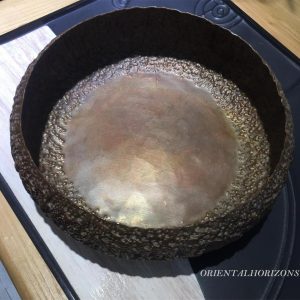
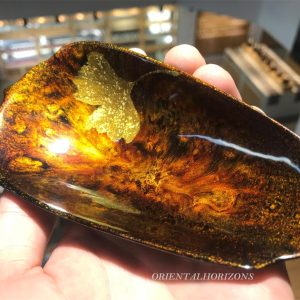
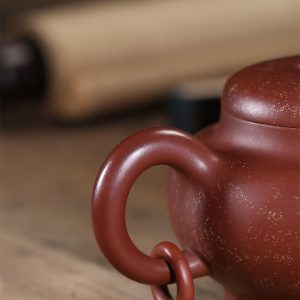
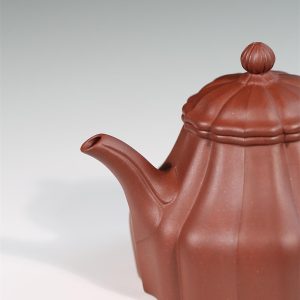
An ordinary straight cup, a simple and elegant porcelain bowl, and a simple and elegant clay pot, seemingly inadvertently met, but it was a fate that had been cultivated many years ago. The beauty of tea utensils lies in the simplicity, quietness, smoothness, and delicacy, while the beauty lies in simplicity, authenticity, cleanliness, and refreshing air. The greatest blessing in life is that, on a certain day, I meet a good tea, a good utensil, a good water, and a good tea master at the same time. You have to drink a cup of the tea obtained in this way, which can really become a blessing.
The beauty of tea is showing a tea table setting.
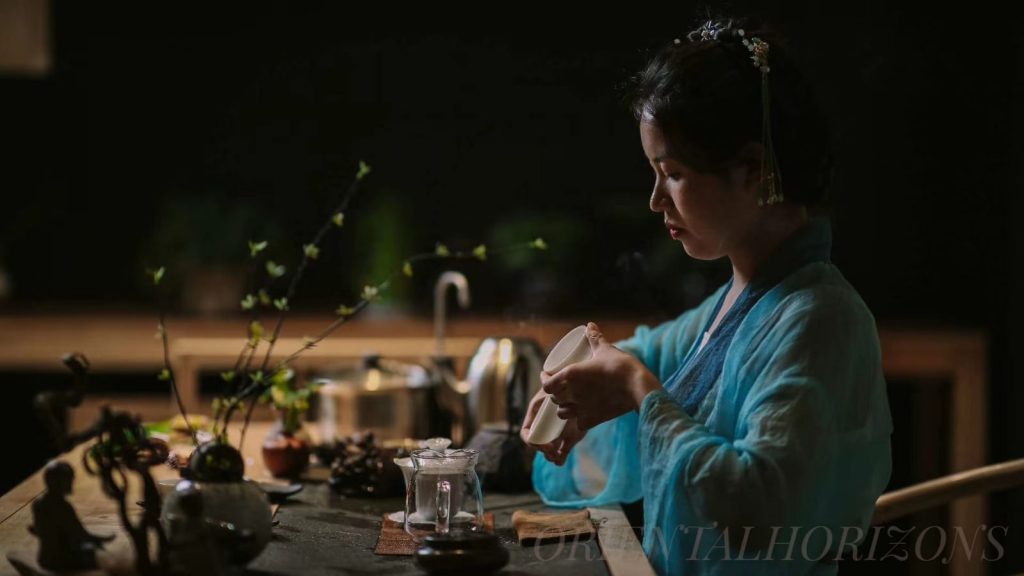
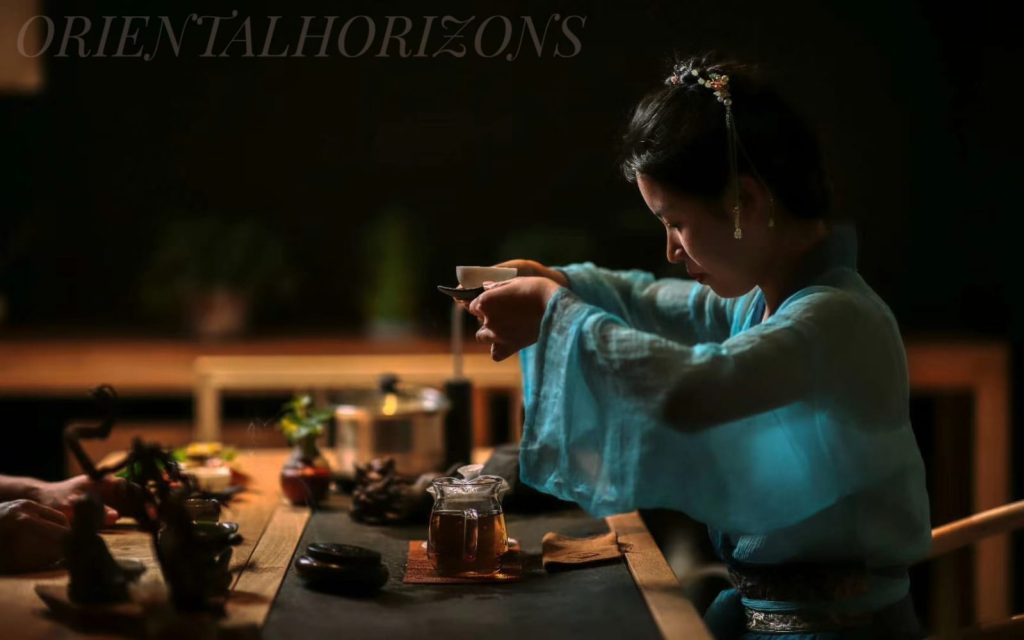
The arrangement of the tea set reflects the ingenuity of the tea master. When the tea master puts each piece of tea utensil in his most comfortable position when placing the utensils on the tea table, this meticulousness and safety reflects the carefulness and seriousness of the tea master, who must also take into account the beauty of art in addition to being smooth. For example, some tea masters will choose the position of the tea cups, which reflects the knowledge, cultivation and ingenuity of the tea master. The prosaic generosity of the tea master blends with the tea and the tea table.
The beauty of tea is the beauty of tea in art. The tea is gathering the happiness for people.
The beauty of tea art is in the process of drinking. The process of blending tea with people, utensils, and water is the process of tea master pouring and distributing tea. One of the simplest actions, repeated over and over, it is a kind of beauty. It is the most beautiful to take a simple action, repeat it countless times, and tirelessly, each repetition as the first time to do that kind of piety and seriousness, is the most beautiful.
The beauty of tea lies in the tea master's heart treating tea and hospitality.
Whether the guests are rich or poor, the rich or the poor are treated equally, no matter how many times the action of pouring the tea is repeated, it is always the same. Tea masters must treat the rough and old tea with the heart of making high-quality tea, so as to make the best tea taste possible. The tea master's steadfastness, and the tea master's self-cultivation are all in every cup of tea he pours to the guests. The tea master conveyed the inner beauty, kindness, fairness, and justice one by one from every cup of tea he poured.
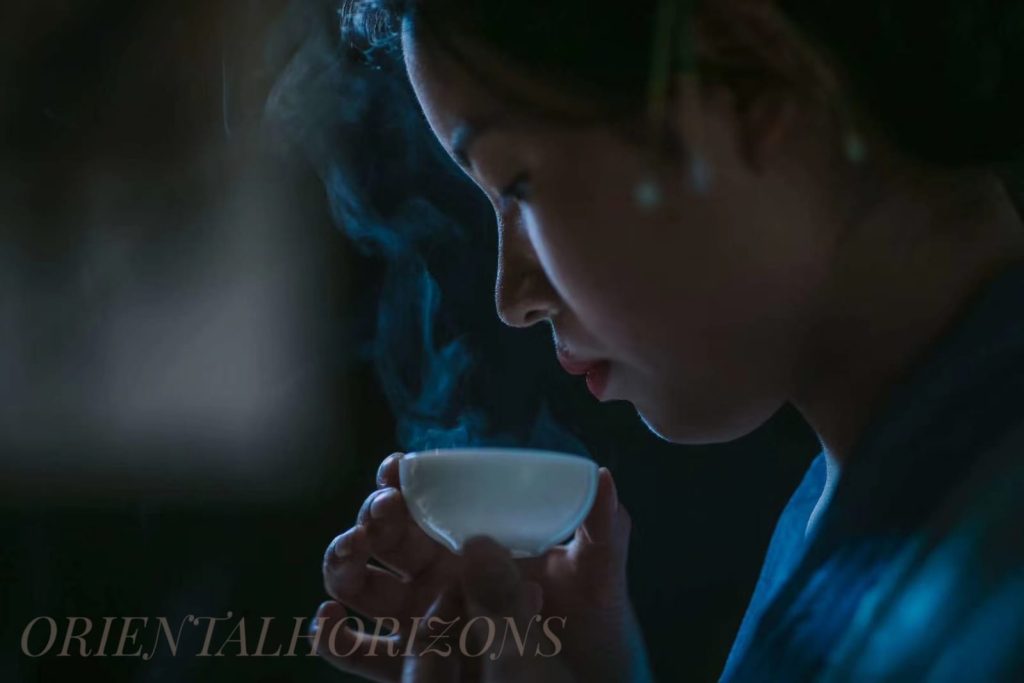
The beauty of tea is looking at tea, and after drinking the tea , feeling full-bodied warmth and happiness
Tea drinkers can be proficient in the tea ceremony or know nothing about tea, but the tea drinkers must understand the beauty of tea: the beauty of tea, the beauty of water, the beauty of the utensils, the beauty of the arrangement of the tea table, the beauty of the tea master's movements, the beauty of the soul of the tea master, The tea drinker must understand the beauty of all this. It is necessary to understand that what you drink is not pure tea only, it also shows the beauty that is produced by the fusion of unintentional and intentional.
The beauty of tea is in a world of selflessness; only tea can have the beauty of the whole world.